The Dordogne Valley
The most beautiful village in the Dordogne Valley
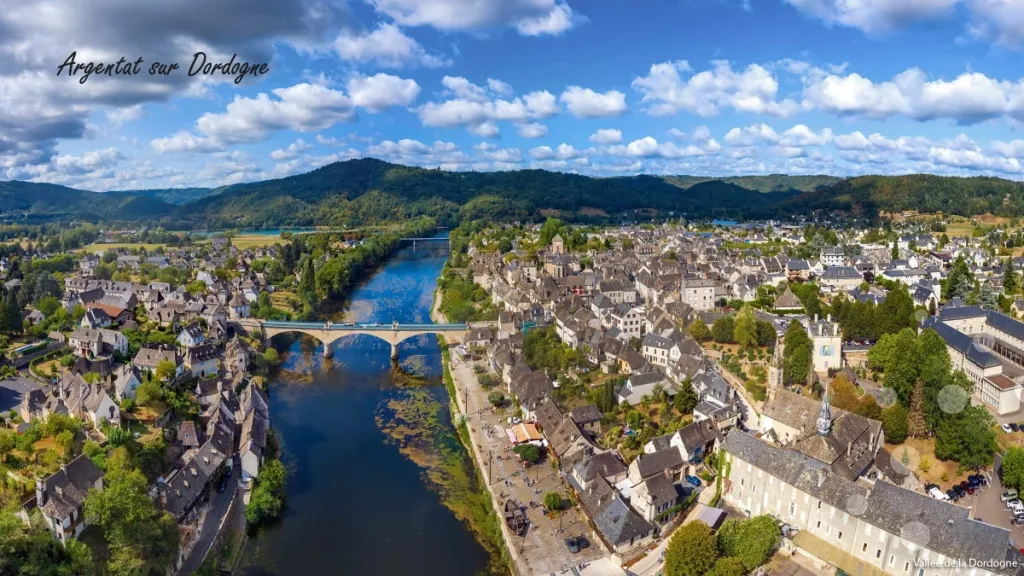
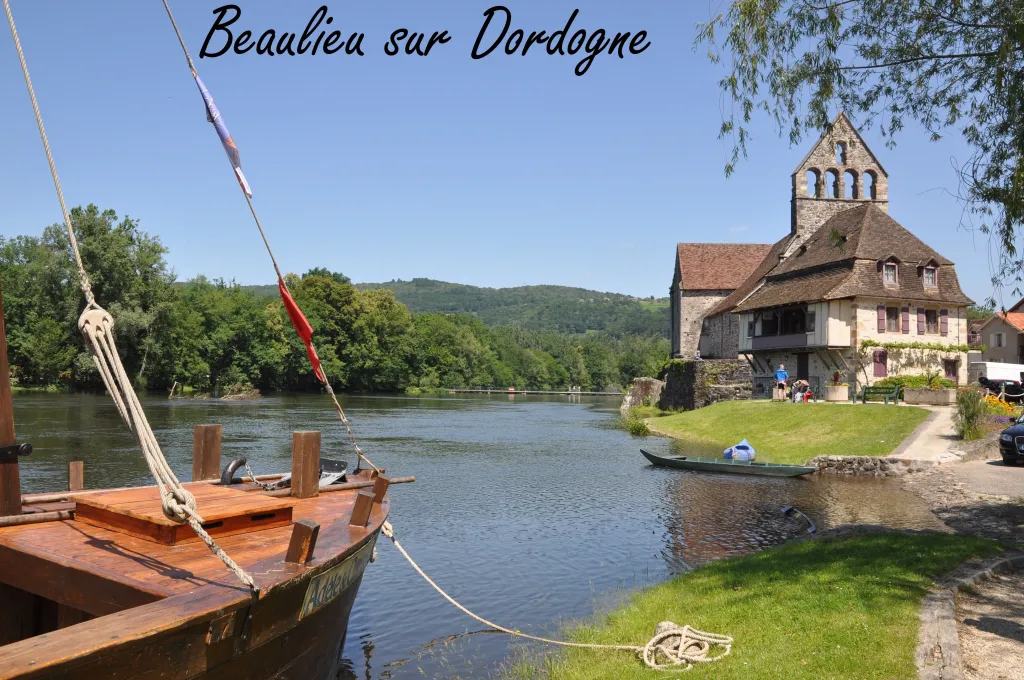
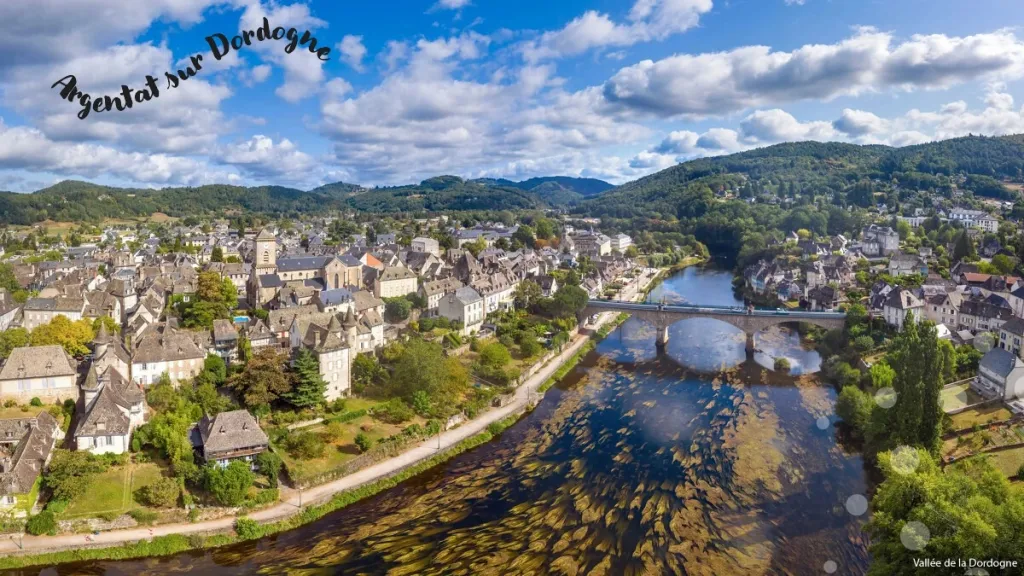
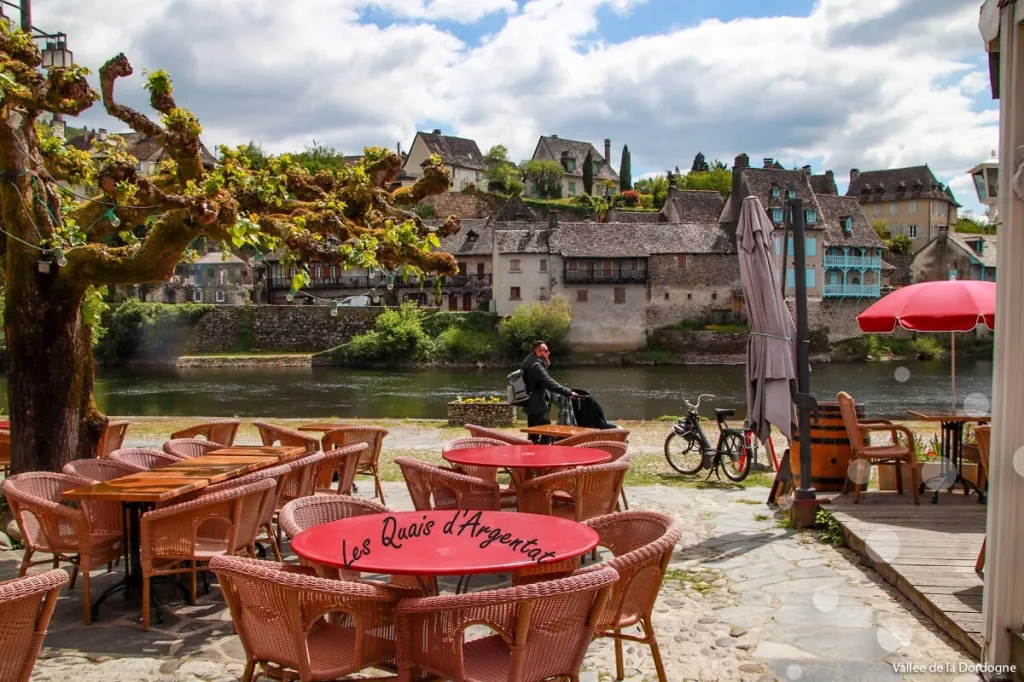
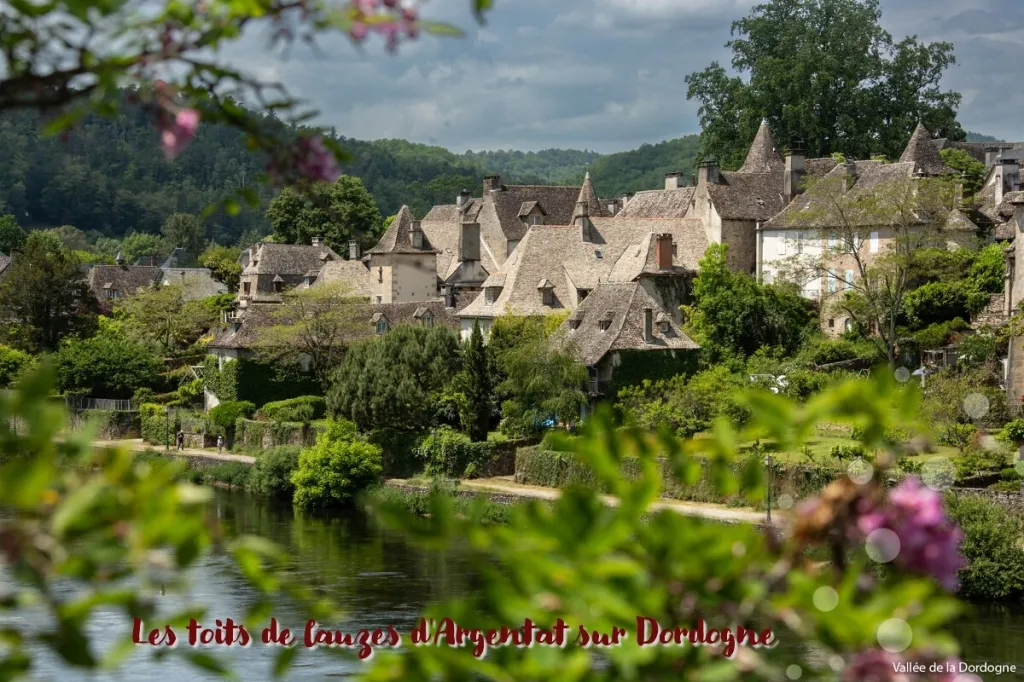
With our campsite in Corrèze, 24 km of exceptional Dordogne Valley await you between Argentat-sur-Dordogne and Beaulieu-sur-Dordogne. The ideal destination for a breath of fresh air!
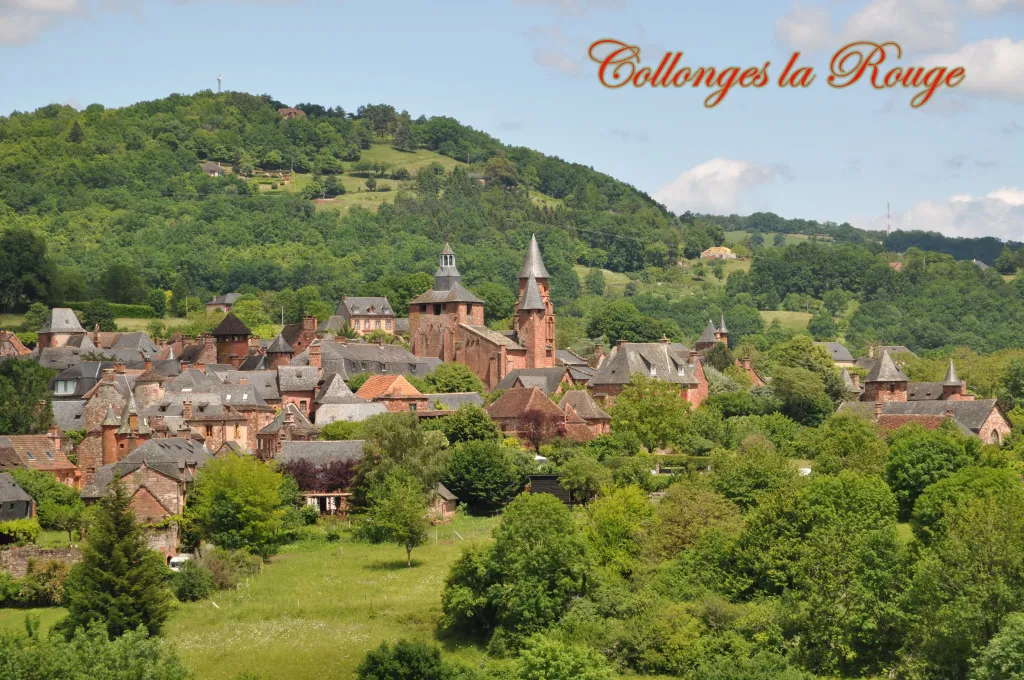
Collonges-la-Rouge
A real specialty is the red color of all houses built with red stone, hence its name. Red contrasts with the green of the nearby chestnut trees and vineyards.
Everything is authentic here and just like an open museum.
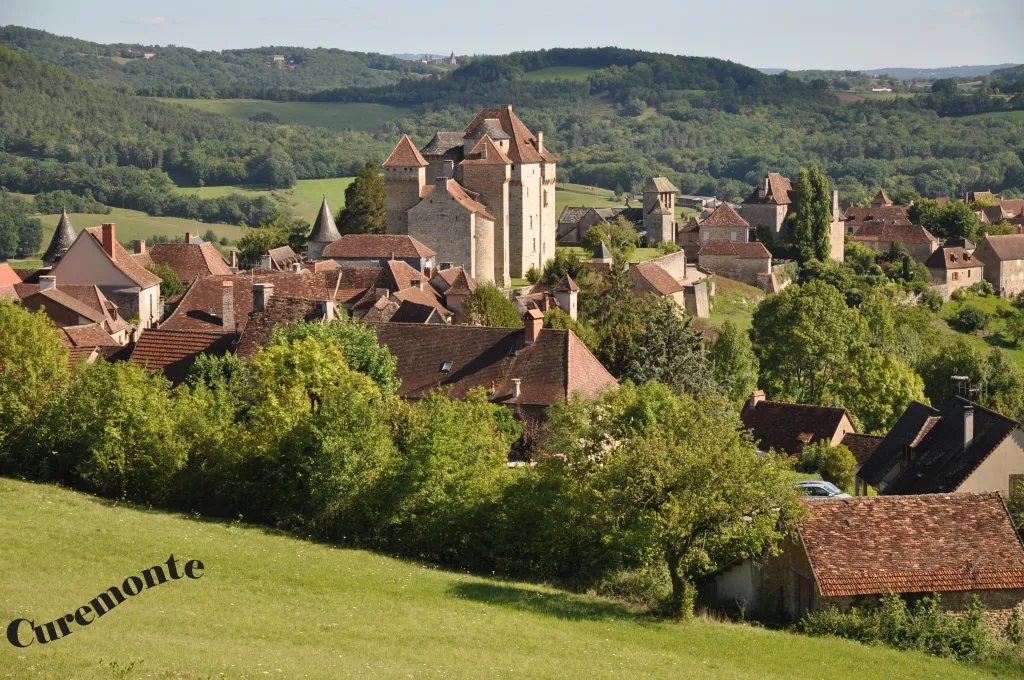
Curemonte
Three churches, three castles, three fountains, six or seven noble houses are the emblems of this exceptional village built on a rock since the year 860.
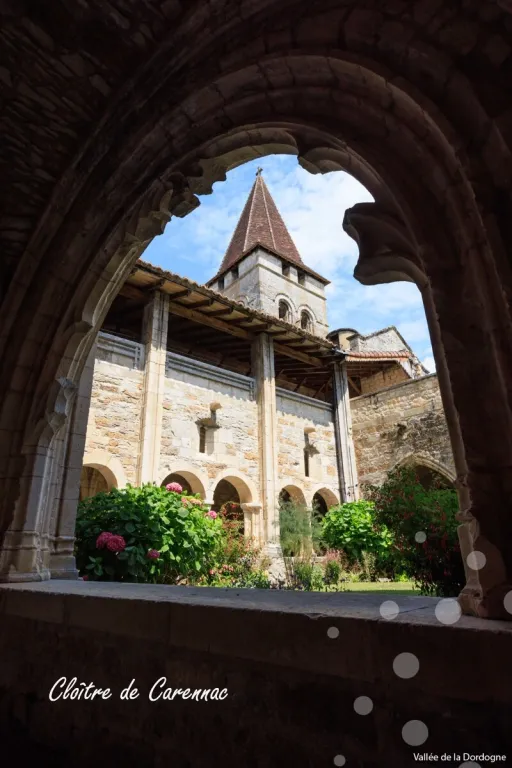
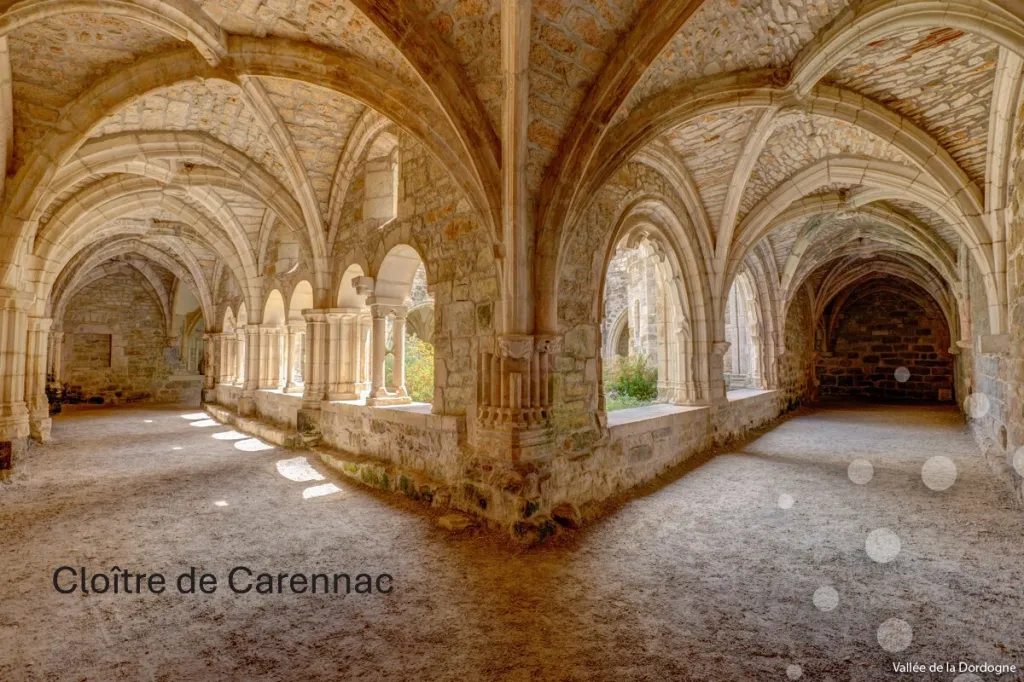
Carennac
The medieval village is located on the banks of the Dordogne and is best known for its monastery from the 15th century and the nearby St. Peter's Church.
Loubressac
High atop a rock you benefit a superb view over the valley of the Dordogne and the castles A walk along the medieval houses of ocher stone and pointed roofs, the Saint-Jean-Baptiste church and the castle from the XV and XVIII century is worth.
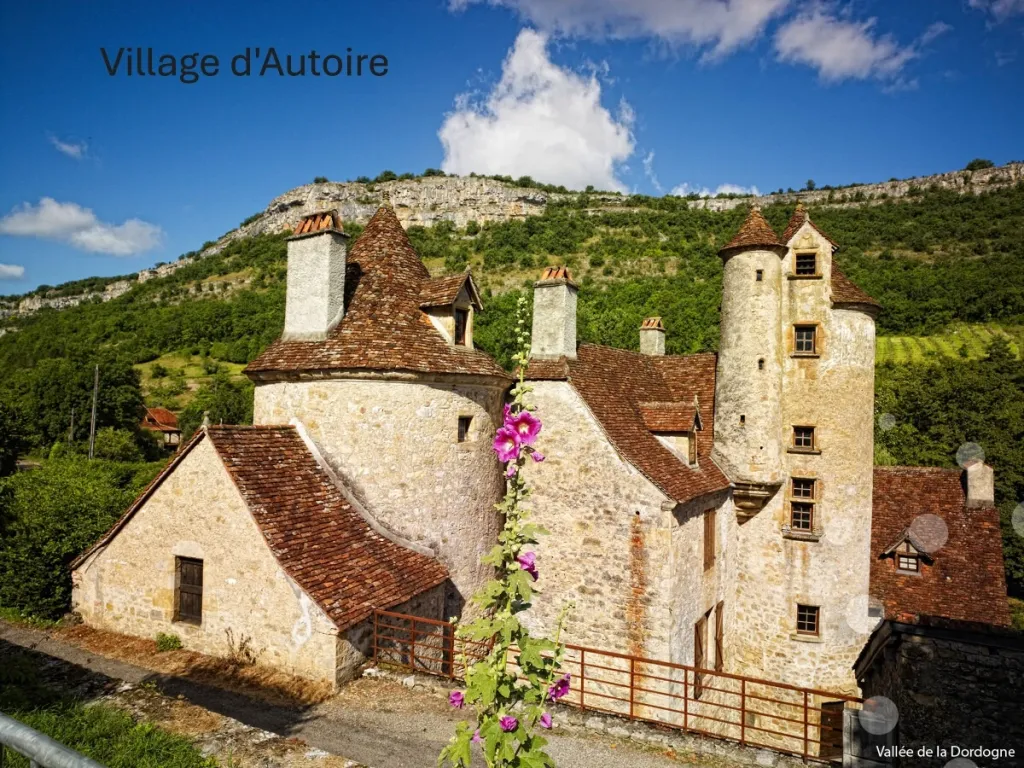
Autoire
Autoire is best known for its waterfall and its medieval houses.
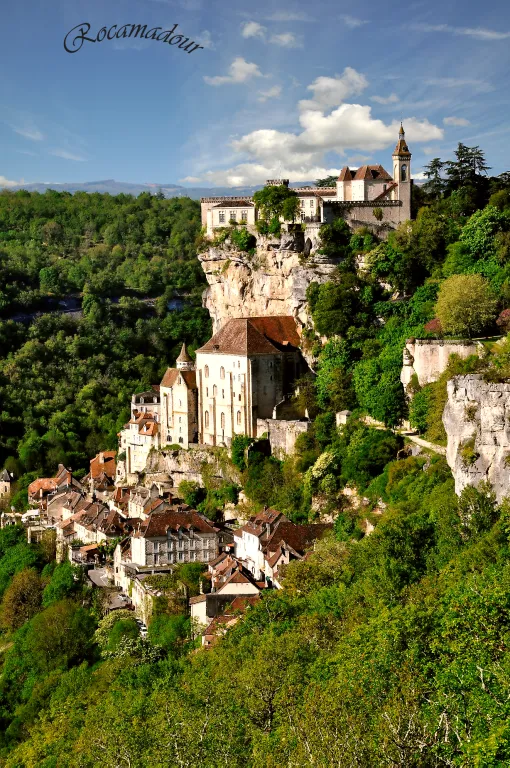
Rocamadour
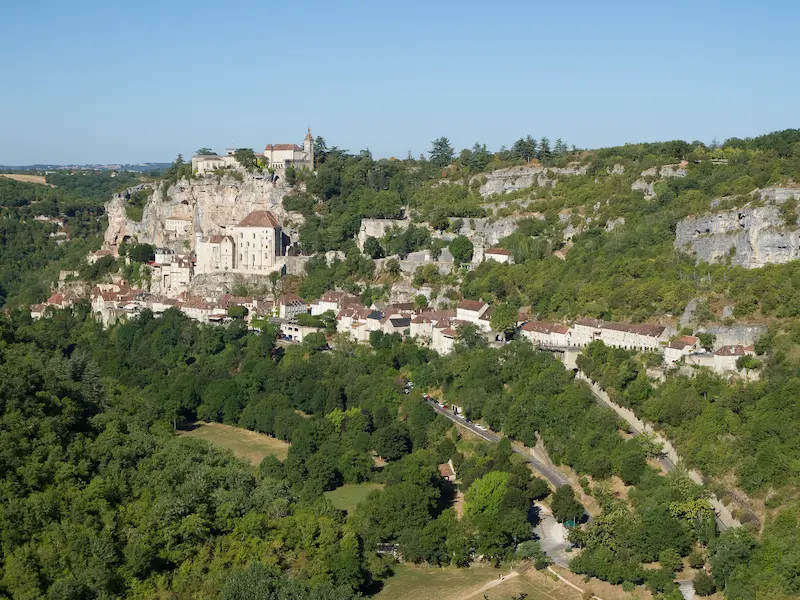
Close to our campsite in Corrèze, discover Rocamadour. Clinging to the cliffside and defying balance, it has been a major landmark of Christianity since the Middle Ages.
The location is classified as an exceptional "Grand Site" of the Midi-Pyrénées region.
Martel
Martel, dominated by seven towers, is a medieval city features a rich architectural heritage.
Its mansions such as the Raymondie and its belfry, its old houses full of charm, its Gothic church, his famous market hall on the main square and its pleasant streets make it an unmissable hangout in Quercy.
The village of Figeac
The Art and History of Figeac is a medieval city full of charm.
The old town, rich in ancient heritage, calls for a walk.
The picturesque alleys along mansions with carved gables and stone houses are wooden walls, no doubt, the hikers happy.
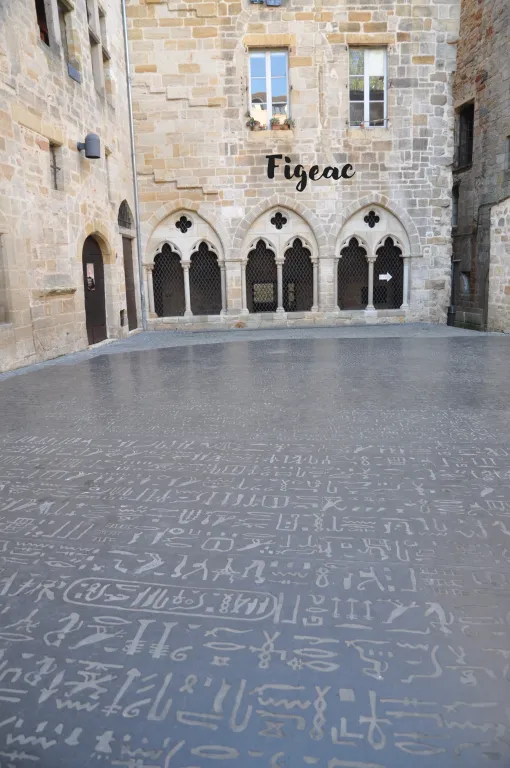
An unmissable stopping while traversing the historical center, the beautiful Writings Square with its contemporary work of art in black granite of the hand of Joseph Kosuth, it represents a huge replica of the Rosetta stone.
For those who want to know more about the world of writing allows the Champollionmuseum a rich exhibition on the decipherer of hieroglyphs Jean-François Champollion, and the history of writing for.
The visit to Figeac continues with an old building, the Mint.
This lovely medieval house from the 13th century houses the museum of the Old Figeac to get to know through his collections of minerals and coins offered by the history of the city.
Finally, it goes to the viewpoint near Notre-Dame-du-Puychurch to enjoy a beautiful view of the medieval city.
From above it is the view of the roofs of the old town beautiful!

The Gouffre de Padirac
The Gouffre de Padirac is a monumental natural cavity located 11 km as the crow flies (17 km by car) from Rocamadour.
Among caves and chasms, it is the most iconic and the leading underground site in France.
The opening is 35 meters in diameter, and the chasm plunges 75 meters below the surface of the limestone plateau.
At the bottom, 103 meters underground, flows the Padirac River, which runs through a network of galleries stretching over 40 km!
The Presque Cave
In the heart of the Dordogne Valley, in Saint-Médard-de-Presque, lies a world apart: the Presque Caves.
Here, time has sculpted concretions unique in Europe, each with its own character.
Some rise massively: these are the "Pillars of Hercules," while others, more slender, are called "tapers."
And then there is that impressive 9-meter-high stalagmite that makes us look up and dream! It is no wonder this magical place is also nicknamed the "Cave of Columns."
The Lacave Caves
To discover the natural treasures of the Lacave Caves, the journey begins by boarding a small electric train. But that’s just the start, as this train climbs 400 meters through the rock to take you into the heart of the hill. The ride becomes an adventure in itself! The train shakes a little, making you feel a bit like Indiana Jones riding the mine carts in the Temple of Doom. Don't worry, the cabins are modern, enclosed, bright, and completely secure, ensuring a peaceful trip for everyone!
The tunnel leads directly to an impressive vast chamber: the Great Hall of Chaos. With acoustics worthy of a cathedral, this space transforms into a concert hall during the season. Be careful, though—seats are limited, so it’s best to book in advance! Once you arrive, the visit continues on foot, guided through 1.6 km of galleries where 12 rooms unfold, filled with thousand-year-old concretions. During the 1h20 tour, you will dive into 154 million years of history, exploring spectacular rock formations in a magical world.
Château de Castelnau - Bretenoux
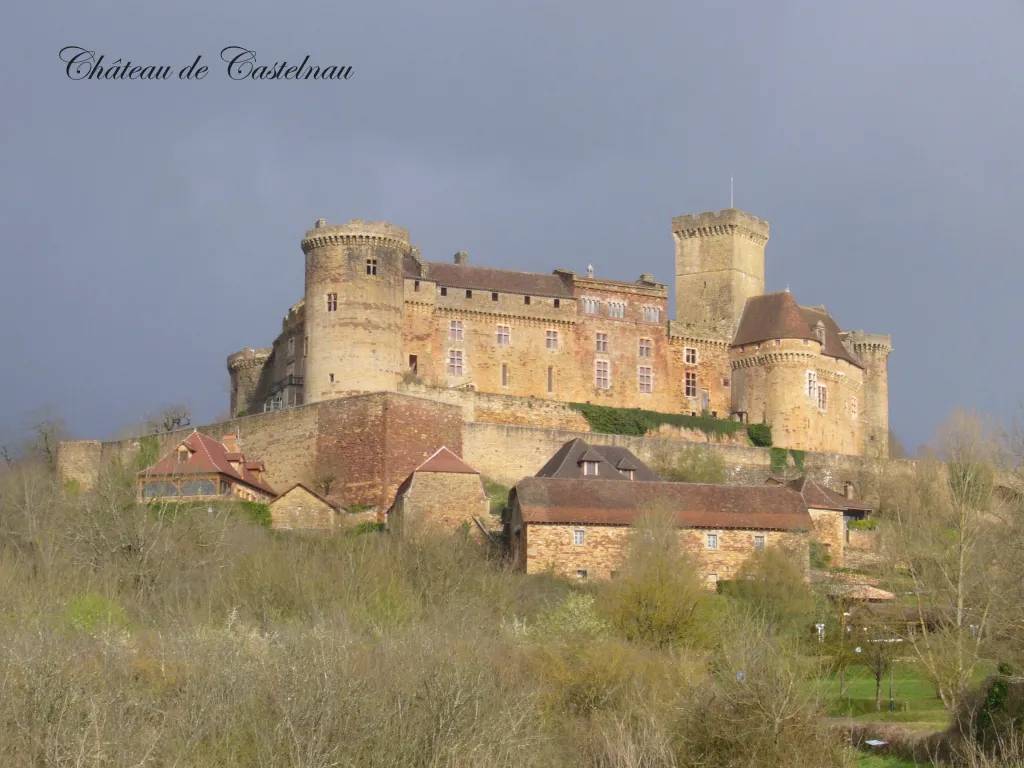
The Castle of Castelnau-Bretenoux, built from the 12th to the 17th century is situated on a hill dominating several valleys.
It is an imposing medieval fortress in red stone with a keep and ramparts.
The castle, like his furnished interior, can be visited.
Les ruines des Tours de Merle
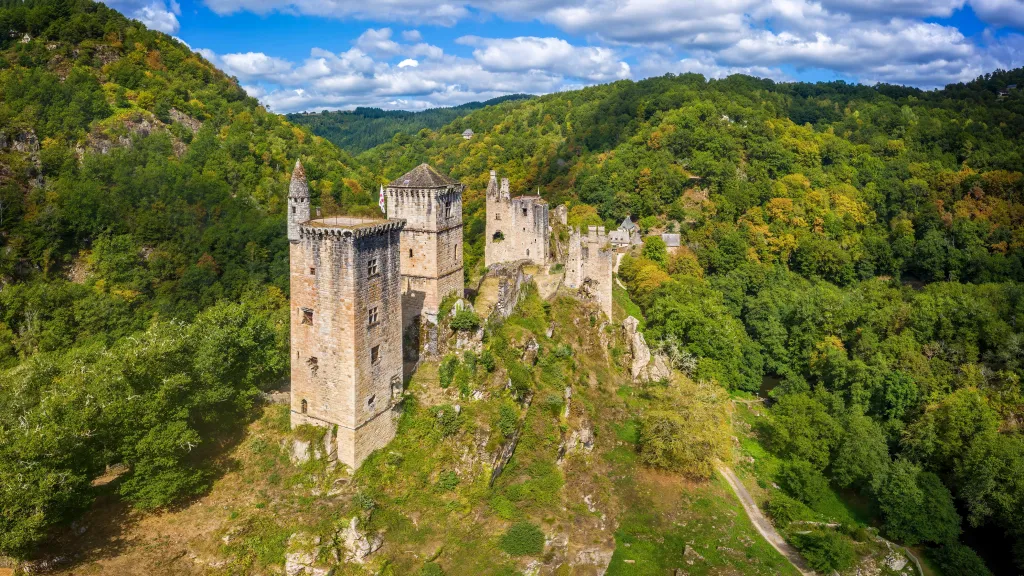
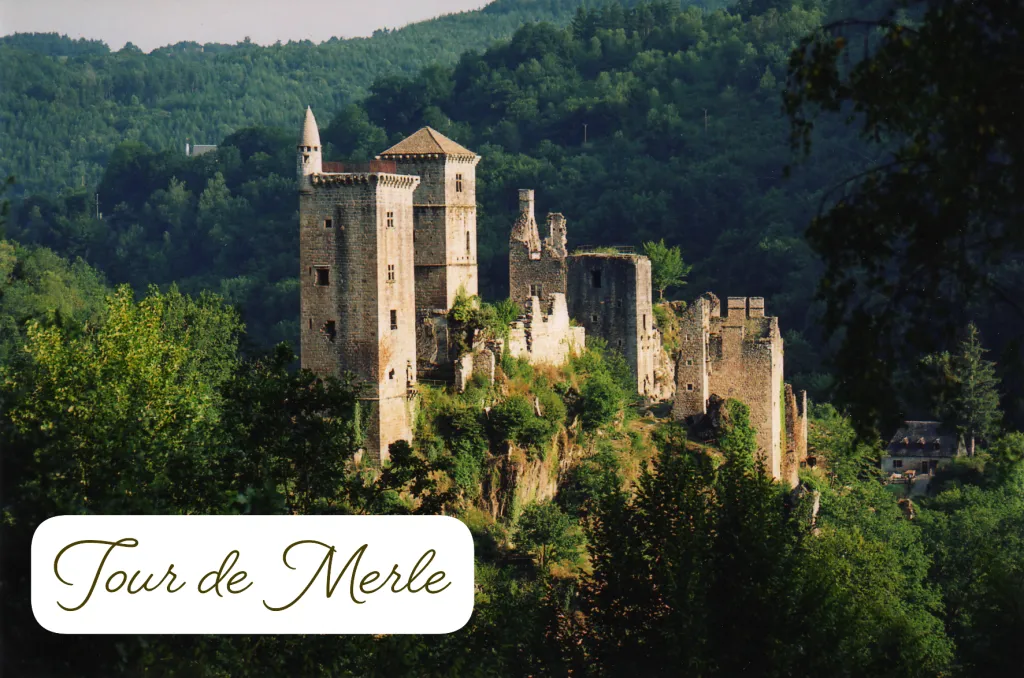
Les Tours de Merle are the ruins of a castle in the Limousin and is a feudal castle from the 12th and 15th century (historical monument since 1927).
In the 14th century, Merle consisted of seven castles, two chapels and village.
Today you can visit the citadel and the park.
There are several marked walks.
Dam of Chastang
Is to see near Argentat
Upstream of Argent there are five large dams on the Dordogne: Bort les Orgues, Marége, Aigle, Chastang and Sablier. These imposing buildings were built between 1947 and 1951 and are important for the electricity.
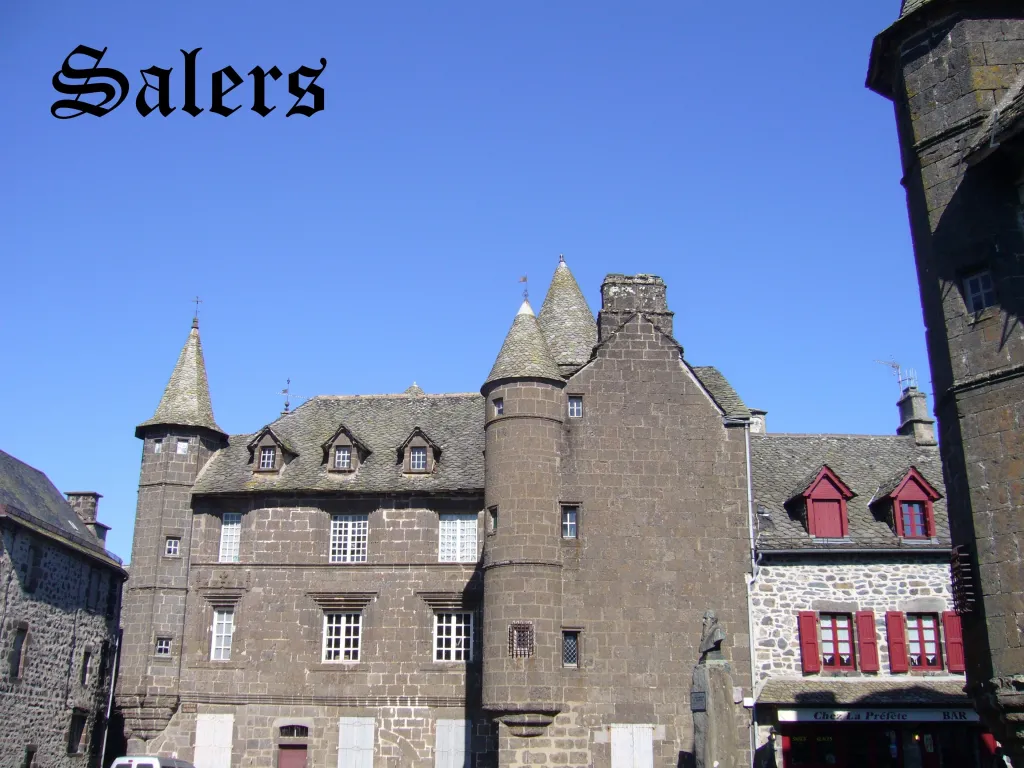
Salers
Located at the entrance of the Regional Park of the volcanoes of the Auvergne, Salers is an architectural gem is one of the most beautiful villages of France.
You will be transported from the Middle Ages to the Renaissance.
Salers has not escaped the invasions during the 100 years’ war, it is in this context that "sagraniers" to protect their city have strengthened against English and robbers.
Market City and the town of nobles, the former grandeur of Salers results in its architecture reflects 15th - eighteenth century, from the time of the Bailiwick of high mountains.
Sarlat
Sarlat is the center of the Perigord Noir.
Also known as the pearl of the Perigord. An absolute tourist center.
Originally a simple Gallo-Roman settlement, where a Benedictine monastery was established in the 9th century.
From this monastery, the city has developed into a prosperous city in the Middle Ages.
Between 1450 and 1500 the city had a very prosperous period.
Date from this period many houses in Sarlat.
In the early 1960s, Sarlat was decaying.
Thanks to the heritage preservation when introduced in France is the city placed on the emergency list and restored over the past decades.
The whole town is a monument in itself.
Français
Nederlands
Deutsch